everything you need to know about holistic spa massage
The Restorative Power of Water: Advantages of Hydrotherapy Circuit Spas
Hydrotherapy circuit spas offer a unique approach to wellness, harnessing water's natural properties to enhance mental and physical health. These therapeutic environments provide opportunities for relaxation and rejuvenation via numerous water-based treatments. As people explore the therapeutic benefits of hydrotherapy, they often find themselves considering how these practices can be included into their everyday routines. Comprehending the science behind hydrotherapy is essential for maximizing its potential benefits.
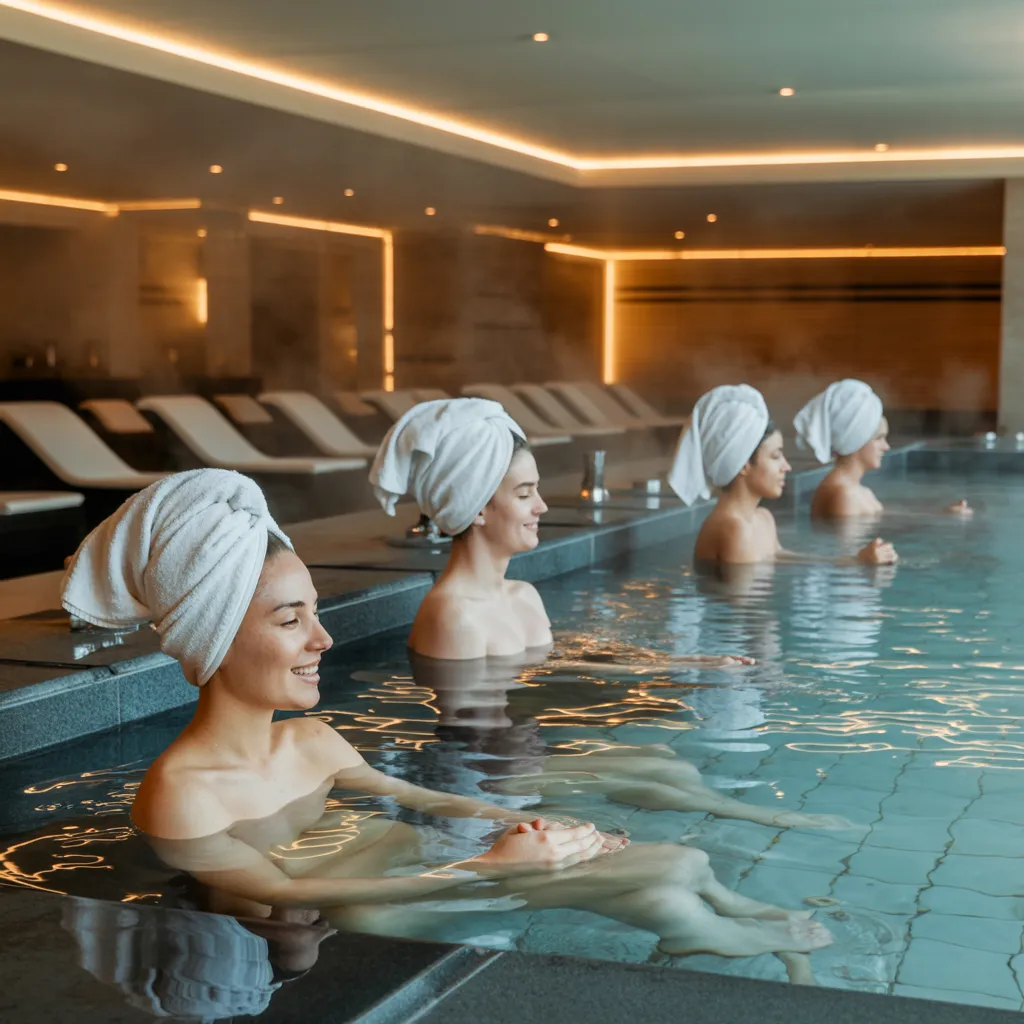
What Is Hydrotherapy and How Does It Operate?
Hydrotherapy, commonly recognized as a healing method, employs water to enhance physical and mental wellness. This approach encompasses numerous techniques, including baths, pools, and jets, to utilize the remarkable characteristics of water. The warmth of water can relax muscles, improve circulation, and alleviate tension, while buoyancy reduces the effects of gravity, making movement easier for those with physical limitations. Diverse water temperatures address particular needs; warm water can ease and unwind, while cold water can refresh and stimulate the body.
Hydrotherapy can additionally involve the use of various additives, such as mineral salts or aromatic oils, to improve its benefits. The integration of water pressure, temperature, and movement establishes an environment that promotes recovery and relaxation. By engaging both the body and mind, hydrotherapy can deliver an all-encompassing approach to health, making it a popular choice in rehabilitation centers and spas.
The Ways Hydrotherapy Helps Your Body Feel Amazing
Numerous people achieve remarkable benefits in their physical and psychological health through hydrotherapy. This restorative therapy harnesses the natural qualities of water to boost circulatory function, relieve muscular tension, and ease discomfort. The warm water in hydrotherapy circuits helps to boost blood circulation, which facilitates the supply of key nutrients to find out more tissues and speeds up the recovery process.
Additionally, the buoyancy of water decreases stress on joints and muscles, making motion easier and more comfortable. The interplay of diverse water temperatures, pressure, and jets can additionally activate peripheral nerve endings, boosting overall comfort and sensory experience.
In addition to physical benefits, hydrotherapy can improve range of motion and suppleness, helping people participate in routine activities with less difficulty. This holistic approach not only treats bodily concerns but also contributes to a greater sense of vitality, rendering hydrotherapy an essential practice for individuals looking to enhance their overall well-being.
Water Healing for Stress Management and Mental Health
While physical health often takes precedence, mental wellness is equally essential, and hydrotherapy can serve a fundamental role in reducing stress. The soothing properties of water can create a tranquil environment that encourages relaxation and mindfulness. Submerging oneself in warm water can trigger the production of endorphins, the body's natural stress relievers, fostering a sense of calm.
In addition, the soothing buoyancy of water alleviates physical tension, permitting individuals to release pent-up stress. The melodic sounds of water and its relaxing effect can elevate mood, fostering a sharper mind. Circuit hydrotherapy spas frequently feature various water features, such as jets and water cascades, which can additionally boost circulation and enhance emotional well-being.
By engaging in these practices, people can attain a well-rounded approach to managing stress, thereby enhancing emotional wellness. When weaving water-based therapy into daily wellness practices, individuals can develop a deeper feeling of harmony and calm in their day-to-day lives.

Hydrotherapy Treatments to Try
Hydrotherapy provides a variety of treatments that can enhance overall health and wellness. Warm water immersion is recognized for its relaxing effects and muscle relief, while hot and cold therapy methods can improve circulation and reduce inflammation. Exploring these methods can provide individuals with powerful resources for healing and stress relief.
The Benefits of Warm Water Immersion
Soaking in warm water offers a wide range of benefits that improve physical and mental well-being. Participating in this therapeutic practice can alleviate muscle tension, encouraging relaxation and easing pain. The buoyancy of warm water supports the body, relieving stress on joints and enabling movement for those with limited mobility. Additionally, the gentle temperature helps with increasing blood circulation, which can support recovery from injuries and improve overall cardiovascular health. Mentally, warm water immersion cultivates a tranquil environment, aiding in stress reduction and improving mental clarity. This holistic approach not only fosters physical recovery but also promotes emotional balance, rendering it an valuable component of hydrotherapy that individuals can include in their health and wellness regimens.
Contrast Treatment Methods
Engaging in contrast therapy practices offers a versatile approach to well-being that cycles through hot and cold water treatments. The technique works to stimulate circulation, improve lymphatic function, and promote relaxation. Commonly, people initiate the process with a warm immersion to loosen muscles and prepare the skin, then moving to a short exposure to cold water, which can energize and tone the skin. This repeating cycle enables the body to heal and recover faster. Common applications include switching between hot baths and cold plunges or pairing heated towels with cooling compresses. Numerous individuals experience decreased muscle aches, enhanced recovery speed, and improved general health. Contrast therapy, when performed on a routine basis, can serve as an essential part of a holistic health regimen.
Adding Hydrotherapy to Your Wellness Routine
Although numerous wellness approaches emphasize physical activity or nutrition, adding hydrotherapy to a daily routine can deliver exceptional benefits for both body and mind. Hydrotherapy utilizes water's therapeutic properties to promote relaxation and healing, making it a perfect addition to conventional wellness routines. Regular sessions in hydrotherapy circuit spas can enhance circulation, alleviate muscle tension, and reduce stress levels.
People can effortlessly incorporate hydrotherapy by planning regular spa appointments or creating a home setup with a hot tub or bath. Switching between hot and cold water can enhance the positive effects, stimulating the body's natural healing processes. Moreover, incorporating mindful practices such as meditation or breathing exercises during hydrotherapy enhances mental clarity and emotional balance. In the end, integrating hydrotherapy within a wellness plan not only encourages bodily renewal but also nurtures mental well-being, creating a holistic approach to health that is both restorative and revitalizing.
Selecting the Perfect Hydrotherapy Spa for Your Needs
Choosing the best hydrotherapy spa demands thorough assessment of multiple considerations. Key aspects include the amenities provided by the spa, its location and accessibility, as well as cost and payment options. Every one of these aspects plays an essential role in achieving a rewarding and effective hydrotherapy experience.
Key Spa Features Worth Considering
Selecting the perfect hydrotherapy spa requires thoughtful evaluation of numerous features tailored to personal needs and preferences. Key aspects include the type of water treatments available, such as hot tubs, saunas, and steam rooms, each offering unique benefits. Furthermore, the range of jets and their placement can significantly influence the quality of massages and overall relaxation.
Users should also evaluate the spa's size and capacity, ensuring it accommodates their chosen group size. Features for accessibility, such as handrails and ramps, are crucial for those with mobility limitations. Additionally, the overall ambiance, including sound and lighting, is an important factor in improving the therapeutic experience, making it essential to select a spa that suits one's relaxation and comfort goals.
Location and Availability
The location of a hydrotherapy spa plays a pivotal role in making the right selection, as convenience can greatly enhance the overall experience. A location near your home or workplace can make routine visits more achievable, supporting regular self-care routines. Moreover, ease of access is an important factor; venues should be conveniently accessible with sufficient parking or public transit connections.
Considering the surrounding environment is also important. A serene atmosphere can heighten the healing effects of hydrotherapy, though city-based locations may present dynamic social possibilities. Additionally, it makes sense to examine the spa's schedule and the accessibility of its services. Confirming that a hydrotherapy spa suits one's daily routine and logistical considerations will greatly improve overall contentment and the quality of the hydrotherapy experience.
Cost and Pricing Plans
Steering through the world of hydrotherapy circuit spas requires careful consideration of financial options and pricing. Prices can vary considerably based on amenities, location, and available features. Some spas present basic packages at lower rates, while others provide luxurious experiences with advanced therapies at a premium. It is important to evaluate what each spa includes, such as access to tailored therapies, relaxation areas, and time allotted per visit. Additionally, many facilities offer membership options, which can decrease pricing for regular guests. Prospective customers should also consider seasonal promotions or discounts, which can make top-tier therapeutic treatments more accessible. Ultimately, balancing individual health objectives with budget constraints will help individuals select the right hydrotherapy spa for their requirements.
Essential Safety Tips for Your Hydrotherapy Experience
What are the best ways to ensure a comfortable and risk-free hydrotherapy experience? The first step is to seek guidance from a medical expert, most importantly for people managing ongoing medical issues. Ensuring proper hydration before, during, and after the session is critical for preventing dehydration. Visitors must take the time to understand the establishment's recommended safety procedures and comply with the stated guidelines regarding temperature settings and duration restrictions at every station.
Furthermore, it is recommended that individuals not use hydrotherapy equipment while affected by drugs or alcohol, as this can diminish alertness and elevate potential hazards. Choosing appropriate swimwear and slip-resistant footwear can reduce the likelihood of accidents. Additionally, being mindful of individual comfort is important; should discomfort occur at any time, it is recommended to leave the facility. By following these safety tips, people can enhance their hydrotherapy experience while limiting possible dangers.
Frequently Asked Questions
Is It Safe for Children to Participate in Hydrotherapy Treatments?
Children can take part in safely hydrotherapy treatments, as long as they are properly supervised and the treatments are appropriate for their developmental stage. Healthcare providers should evaluate each child's unique needs and medical conditions to ensure a safe and beneficial experience for young participants.
How Frequently Should I Use a Hydrotherapy Spa?
It is generally recommended to make use of a hydrotherapy spa two or three times each week. That said, personal preferences and medical conditions may influence the recommended frequency, so it is advisable to consult a healthcare professional for personalized guidance.
What Attire Is Appropriate for a Hydrotherapy Session?
Throughout a hydrotherapy treatment, patients usually put on a bathing suit or suitable swimwear. It is advisable to opt for comfortable, quick-drying materials to ensure ease of movement and enhance the complete wellness experience in the aquatic environment.
What Are the Specific Contraindications for Hydrotherapy?
Certain contraindications for hydrotherapy include cardiovascular issues, skin infections, recent surgeries, and certain respiratory conditions. People with these conditions are advised to seek guidance from a healthcare provider prior to engaging in hydrotherapy sessions to ensure their safety and well-being.
Can Hydrotherapy Assist With Chronic Pain Management?
Hydrotherapy may genuinely help with chronic pain management. Its warm water and buoyancy promote relaxation, improve circulation, and reduce muscle tension, possibly reducing discomfort and improving overall well-being for those dealing with chronic pain conditions.